
Small and Medium Enterprises: Driving Global Economic Growth

SMEs at a Glance

Over 400 million SMEs operate globally
Account for 90% of all businesses worldwide
Employ more than 60% of the global workforce
Generate 50%+ of global GDP in most economies
Represent a key driver of innovation, exports, and job creation

Regional Snapshot

North America

  • The U.S. has over 33 million SMEs, making up 99.9% of all businesses
  • Canada’s SMEs contribute over 52% of private sector employment
  • Sectors: tech, creative, services, logistics, retail

Europe

  • EU SMEs represent 99% of all businesses
  • Account for 66% of total employment and over 57% of value-added
  • Focus on green tech, manufacturing, AI, and export-ready production

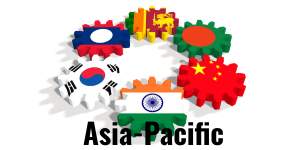
Asia-Pacific

  • Home to 70%+ of global SMEs, especially in India, China, Bangladesh, and Vietnam
  • Huge contributor to textile, electronics, agriculture, and digital services
  • Major growth in e-commerce and cross-border B2B platforms

MENA Region

  • SMEs make up 90-95% of businesses, yet often under-financed
  • KSA and UAE are launching major SME reforms and funding programs under Vision 2030 and diversification plans
  • High potential in fintech, tourism, halal, and logistics sectors

Sub-Saharan Africa

  • Over 44 million SMEs, largely informal but rapidly digitizing
  • Critical for employment, especially youth and women
  • Challenges include finance access, logistics, and formalization

Latin America

  • SMEs represent 90% of businesses, contributing to 25–30% of GDP
  • Innovation hubs growing in Chile, Colombia, Brazil, and Mexico
  • Increased government focus on formalization, digitization, and exports

The Role of Events Like the Global SME Fair

Events such as the Global SME Fair 2025 serve as a catalyst for SMEs to:

  • Access markets and trade partners
  • Engage directly with investors and financiers
  • Learn from thought leaders and policy influencers
  • Showcase products, services, and innovations globally

Challenges SMEs Face Globally

  • Limited access to affordable finance
  • Regulatory and trade compliance burdens
  • Skills gaps and workforce training limitations
  • Infrastructure and logistics barriers
  • Digital inclusion and cybersecurity risks

Global Trends Shaping the SME Ecosystem

Digital Transformation
SMEs are adopting e-commerce, cloud platforms, and AI tools to remain competitive and scale globally.

Access to Finance
Rise of fintech, microloans, and diaspora VC funds is closing the SME finance gap.

Green & Sustainable Business
Governments and multilateral agencies are incentivizing environmentally responsible SMEs.

Women & Youth Entrepreneurship
Global rise in women- and youth-owned SMEs, with focused funding and incubation support.

Cross-Border Trade & E-commerce
Platforms like Alibaba, Amazon, and regional trade fairs have made exporting more accessible than ever.